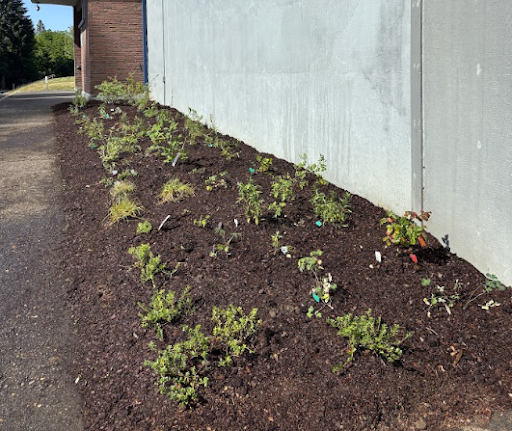
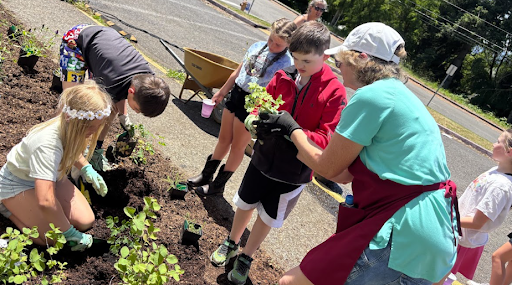
A patch of ground outside Union Ridge Elementary has been transformed into a native plant garden thanks to the enthusiasm of a group of fourth-grade students and the generosity and expertise of the Ridgefield community.
The project was led by Union Ridge fourth-grade teacher Kim Stenbak, whose interest in outdoor learning and native plants had been growing for several years. After participating in professional development focused on outdoor education, Stenbak became particularly interested in the environmental benefits of native plants, as well as their Indigenous ties and traditional uses.
“I had the idea of creating a native garden for a couple of years, but I never quite found the time to make it happen,” Stenbak said. “Once my students became involved, though, the project took on a life of its own. Their excitement and commitment were exactly the motivation I needed.”
That motivation arrived during the 2025-26 school year as Union Ridge's fourth-grade team worked through an EL Education module focused on how young people can identify issues in their communities and take action to make a difference. Students heard from representatives of several local organizations, including the Ridgefield Art Association, Ridgefield Family Resource Center, Tater Tot Bike Bus, Ridgefield Public Schools Foundation, Salmon in the Classroom, and the Ridgefield Garden Club.
Soon, Stenbak and her students were ready to put those lessons into action.
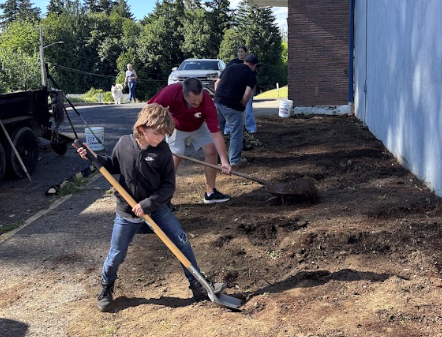 With assistance from Ridgefield Garden Club members Heather Gordon and Carol Tocco, the group selected an area in front of Building A at Union Ridge for the new garden. The Garden Club also provided a major boost to the project by donating more than 50 native plants left over from its annual plant sale.
From there, the students got to work, and the garden became an opportunity for hands-on learning across multiple subjects.
Students measured the area and perimeter of the garden to help determine how much compost would be needed. They initially planned to remove four existing bushes and plant native species around those that remained. After getting started, however, the students made a bigger decision: remove all of the existing bushes and create a garden made entirely of native plants.
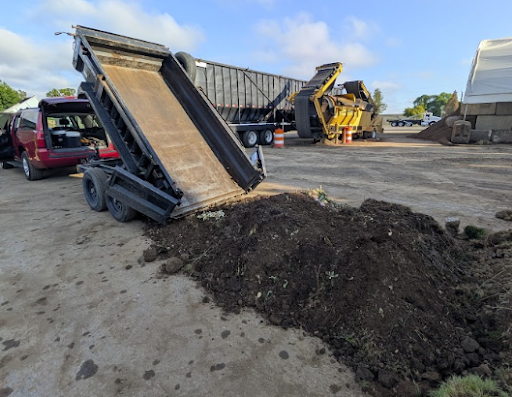 The project quickly became a true community effort. Brad Sisson of Vossenberg Farm donated and delivered six yards of organic compost. Local resident Tracy Ceravolo, who has a background in landscape architecture, volunteered to create a planting map and helped lay out the plants. Gordon and Camille Vigue then worked alongside students to teach them how to properly plant their new garden.
“What stood out to me most was the pride our students took in every part of the process,” Stenbak said. “Whether they were digging out bushes, shoveling dirt, pulling weeds, or spreading compost, they were smiling, laughing, cheering each other on, and working together. It was incredibly rewarding to watch them take ownership of something that will be part of their school for years to come.”
The learning extended well beyond the garden itself. In the classroom, students researched native plants and their importance to the environment. They then shared what they had learned with the community during the annual Tater Tot Parade, carrying posters, handing out postcards, and encouraging others to plant native species. Later, while walking to the Ridgefield National Wildlife Refuge for a field trip, students put their new knowledge to work by identifying native plants and helping remove invasive species.
Union Ridge Principal Angie Gaub said the project is an example of the kind of meaningful learning that happens when students can connect classroom lessons with their school and community.
“This project gave our students the opportunity to see that their ideas and their work can make a lasting difference,” Gaub said. “They weren't simply learning about native plants or community involvement--they were putting that learning into action. The garden is something future Union Ridge students will be able to enjoy and learn from, and our fourth graders can take tremendous pride in knowing they helped create it.”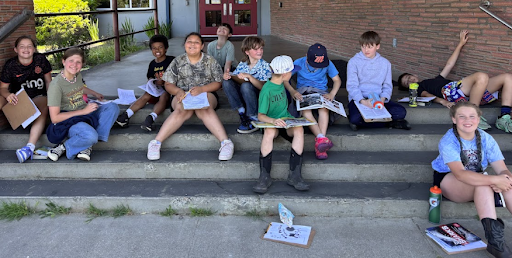 For Stenbak, the project also demonstrated just how willing the Ridgefield community is to step up when students have an idea.
“I was amazed by the generosity of our community,” Stenbak said. “Volunteers, clubs, and businesses donated their time, resources, knowledge, and materials. This project truly would not have been possible without them, and I am so thankful for everyone who helped turn this idea into reality.”
Stenbak also credited Union Ridge paraeducator Emily Dahlstrom with helping manage the logistics and challenges of the project from beginning to end.
What began as an idea (and a collection of native plants waiting to find a home) has now become a permanent part of the Union Ridge campus. More importantly, the garden provided students with an opportunity to experience firsthand how learning, teamwork, and community involvement can come together to create something that lasts.